
Electrification Redefined: The Definitive Guide to the Best Electric Vehicles of 2026

The automotive landscape in 2026 has reached a pivotal tipping point, moving beyond the early-adopter phase into a mature market defined by "Neue Klasse" engineering and second-generation battery architectures. As zero-emissions technology saturates every segment from urban runabouts to transcontinental luxury limousines, the criteria for excellence have shifted from mere range capability to holistic efficiency, software integration, and tactile driving dynamics. The current selection represents the zenith of contemporary electric vehicle (EV) development, stress-tested to ensure that these machines offer more than just sustainability—they provide a superior ownership experience compared to their internal combustion predecessors. With the arrival of BMW’s next-generation platforms and Hyundai’s sophisticated performance tuning, the electric car is no longer a compromise; it is the new benchmark for automotive engineering.
EV Market Intelligence 2026
- Structural Innovation: The "Neue Klasse" shift signifies a move toward dedicated EV platforms that maximize interior volume while reducing curb weight through integrated battery-to-chassis designs.
- Thermal Management: Efficiency in 2026 is driven by advanced heat pump integration and Gen6 motor technology, allowing vehicles to maintain range even in adverse climatic conditions.
- Accessibility: The market has successfully bifurcated into premium performance icons and "aspirational affordable" models, with entry points now dipping below the £23,000 threshold without sacrificing safety or tech.
- Charging Infrastructure Synergies: High-voltage architectures (800V+) are becoming standard in the mid-to-high segments, slashing 10-80% charge times to under 18 minutes.
1. The Compact Revolution: Renault 5 E-Tech
The Renault 5 E-Tech represents a masterclass in resurrecting historical soul within a modern digital framework. By leveraging the AmpR Small platform, Renault has delivered an EV that balances retro-futuristic aesthetics with genuine driving agility. While many small EVs suffer from a "leaden" feel due to battery mass, the R5 utilizes a multi-link rear suspension—rare in this segment—to provide a level of handling poise that challenges traditional hot hatches. With a starting price point that aggressively targets the mainstream, it proves that the transition to electric power does not require the abandonment of style or fun.
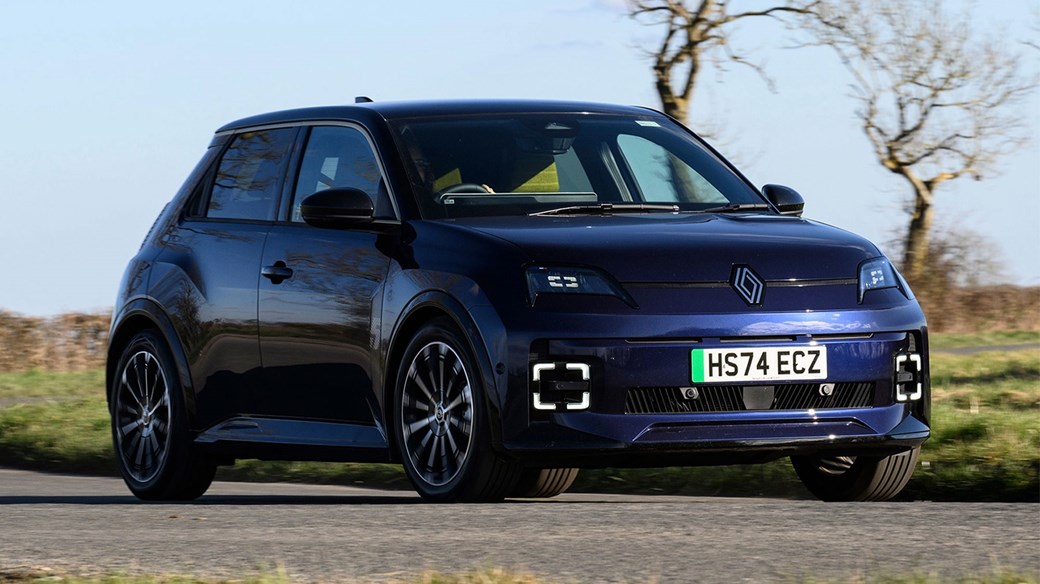
Inside, the cabin rejects the sterile minimalism of its competitors, opting instead for tactile materials and a driver-centric digital interface. While the real-world range of approximately 170 miles restricts it to urban and suburban duties, its role as a functional, desirable runabout is unmatched. For those requiring more space without losing the funky aesthetic, the Fiat Grande Panda serves as a viable alternative, utilizing the same fundamental "Smart Car" architecture to provide a more utilitarian edge.
2. Value Engineering: MG 4 (Long Range)
The MG 4 has fundamentally altered the European market perception of Chinese-manufactured EVs. It is no longer just a "budget" choice; it is a competitive hatchback that often embarrasses established rivals on a price-to-performance basis. The Long Range variant is the technical "sweet spot," offering a 64kWh battery pack that delivers a robust WLTP range of 281 miles. Unlike the XPower version, which prioritizes straight-line speed over chassis composure, the Long Range maintains a sophisticated balance of ride quality and rear-wheel-drive engagement.
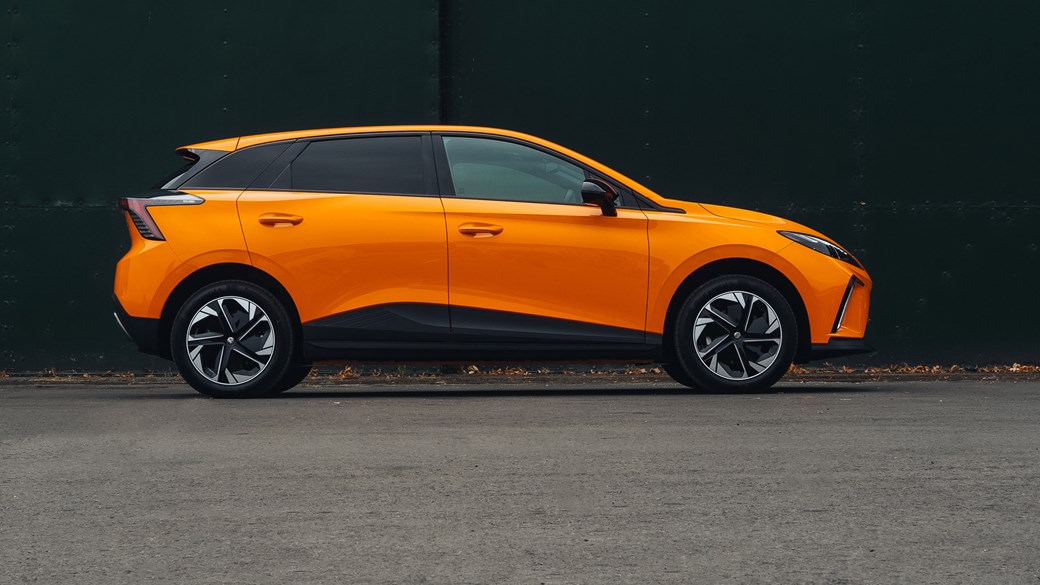
The success of the MG 4 lies in its MSP (Modular Scalable Platform) architecture, which allows for a remarkably thin battery pack (just 110mm), lowering the center of gravity and preserving cabin headroom. While the interior plastics may not match the premium feel of a Volkswagen ID.3, the sheer value proposition—offering more power and range for significantly less capital—makes it the pragmatic choice for the modern EV buyer.
3. The Family Benchmark: Tesla Model 3
Tesla’s Model 3 continues to dictate the pace of the family EV segment through relentless iterative improvement. The latest "Highland" update addressed the primary criticisms of previous generations, significantly enhancing NVH (Noise, Vibration, and Harshness) levels through the use of 360-degree acoustic glass and improved suspension bushings. The result is a cabin that finally matches the refinement of its electric drivetrain. The Model 3’s greatest asset, however, remains its efficiency. It consistently achieves more miles per kilowatt-hour than almost any direct competitor, aided by an industry-leading drag coefficient of 0.219 Cd.
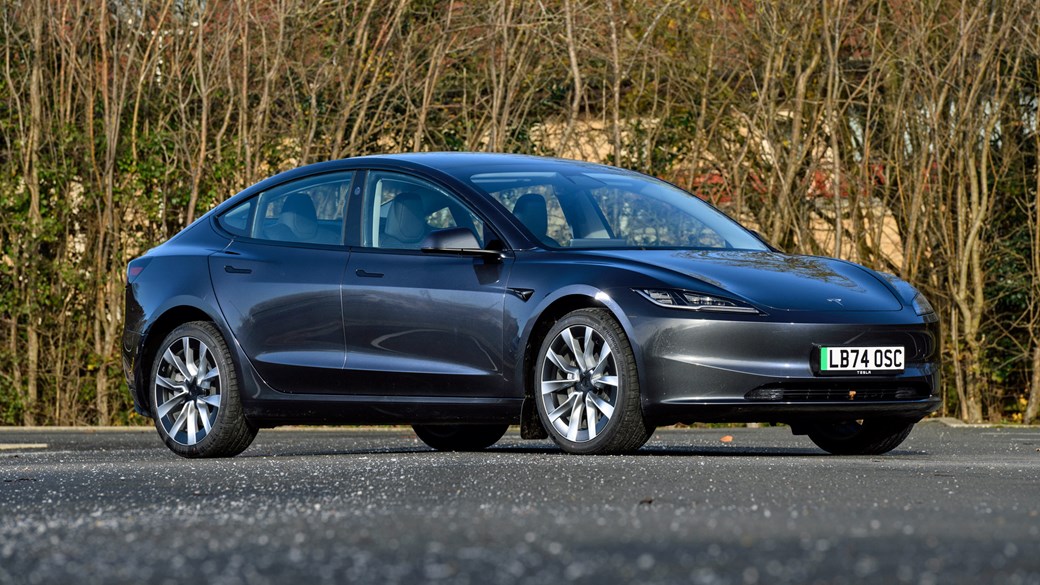
The Performance variant’s ability to execute a 0-60 mph sprint in under 3 seconds provides supercar-level acceleration within a five-seat saloon format. Crucially, the integration with the Supercharger network removes the "range anxiety" variable that still plagues other brands, offering a seamless, "plug-and-charge" experience that remains the gold standard for long-distance electric travel.
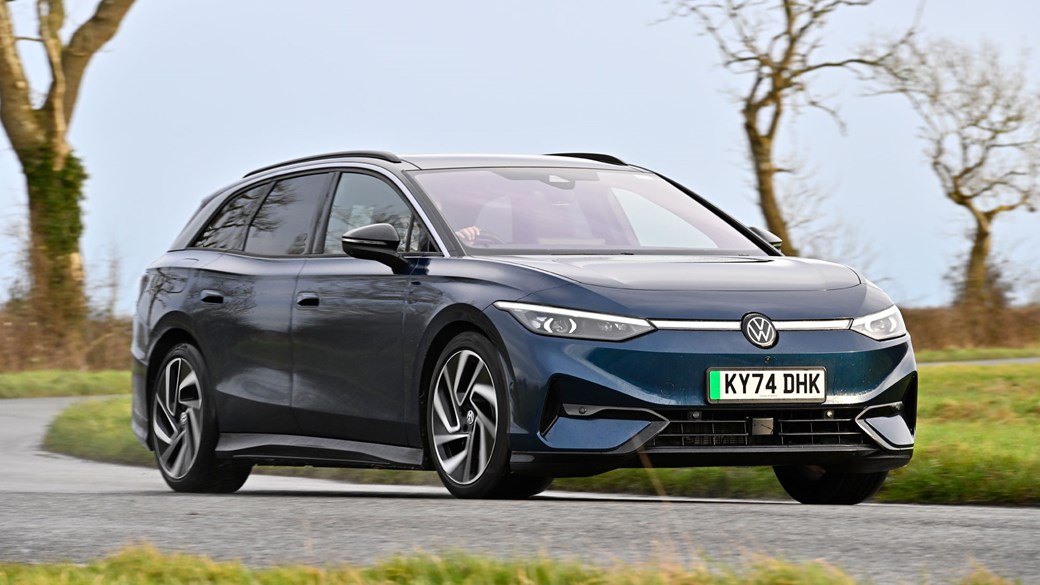
4. German Refinement: Volkswagen ID.7 and ID.7 Tourer
The Volkswagen ID.7 represents the brand’s "redemption arc" in the electric space. Moving away from the software-plagued early ID models, the ID.7 focuses on what Volkswagen does best: comfort, space, and understated quality. In hatchback form, it outclasses more expensive rivals from BMW and Mercedes-Benz by prioritizing "hushed" aerodynamics and a supple ride. The Pro S variant’s 436-mile range makes it a genuine tool for high-mileage fleet drivers and families alike.
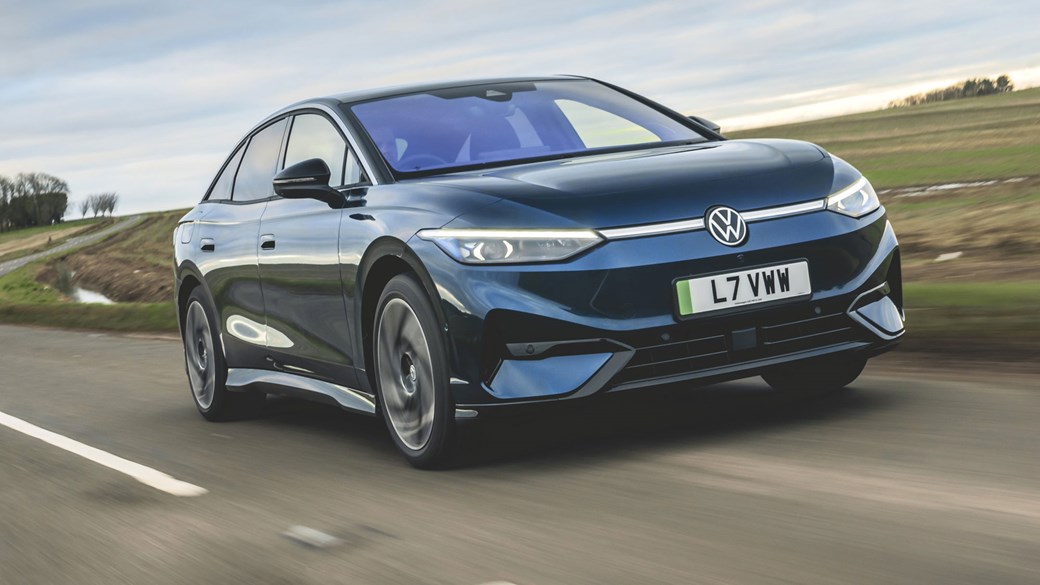
The ID.7 Tourer (Estate) is perhaps the more significant achievement, addressing a massive void in the EV market. With a 1,714-litre maximum load capacity, it is the ultimate "silent banger" for those who refuse to succumb to the SUV trend. Its ability to maintain an ultra-low drag coefficient while offering wagon utility allows it to achieve range figures that bluff SUVs simply cannot match. It is the thinking person’s EV—immensely practical, technologically mature, and supremely relaxing over long distances.
5. The Premium Standard: BMW iX3 Neue Klasse
The 2026 BMW iX3 is the first tangible manifestation of the "Neue Klasse" philosophy—a clean-sheet rethink of what a BMW should be in the electric age. It abandons the "shared platform" compromises of the previous iX3 in favor of a dedicated 800-volt architecture. This shift allows for Gen6 eDrive technology, which utilizes round battery cells for a 20% increase in energy density and a 30% increase in charging speed.
The driving experience is where the iX3 truly separates itself. It manages to translate BMW’s traditional "Sheer Driving Pleasure" into a digital medium, with precise steering and a 463bhp output that feels integrated rather than aggressive. The "BMW Panoramic Vision"—a head-up display that spans the entire width of the windscreen—redefines the driver interface, moving away from cluttered dashboards toward a more immersive, safe, and intuitive cockpit experience. It is, quite simply, the most complete premium SUV currently on sale.
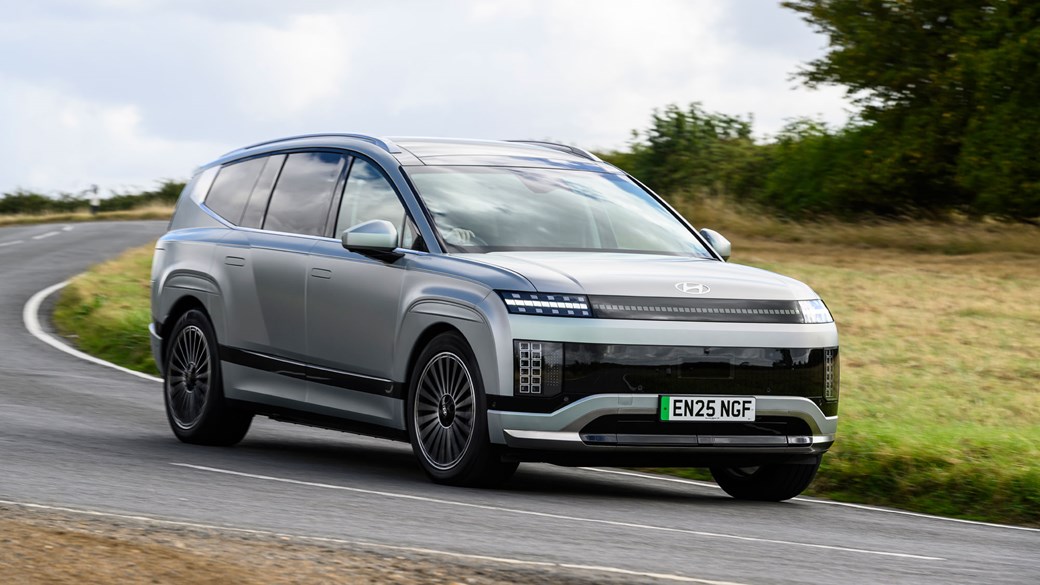
6. Large-Scale Luxury: Hyundai Ioniq 9 and BMW i7
For those requiring maximum occupancy, the Hyundai Ioniq 9 has emerged as the definitive seven-seater. By utilizing a massive 110.3kWh battery pack, it overcomes the aerodynamic penalties of its large "aerostat" silhouette. The ride quality is intentionally more cosseting than its cousin, the Kia EV9, making it a superior choice for luxury-oriented family transport. Its interior flexibility, including the ability to rotate middle-row seats, creates a mobile lounge environment that traditional internal combustion vans cannot replicate.
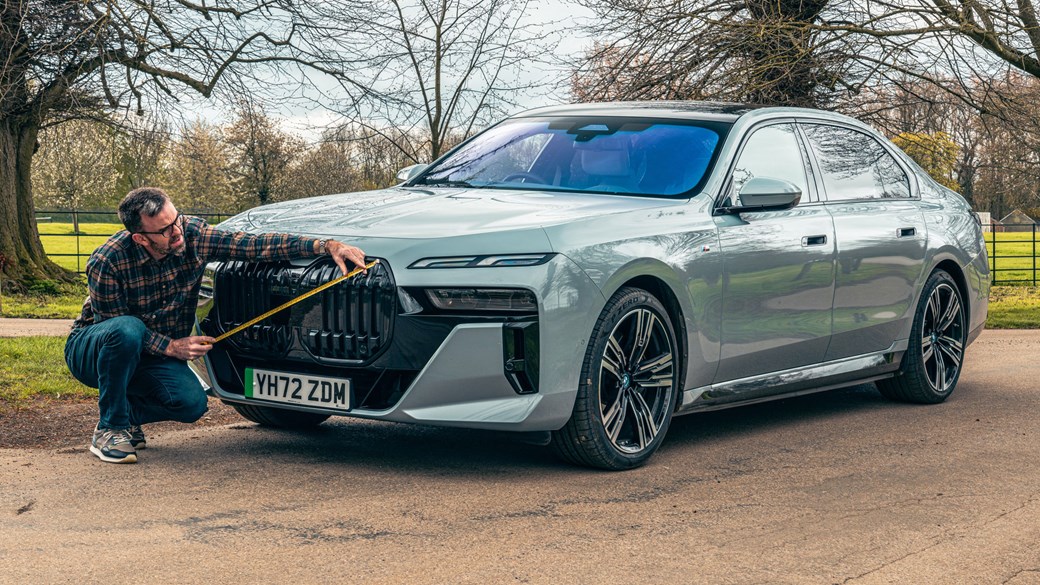
At the pinnacle of the market stands the BMW i7. While its external design remains polarizing, its internal execution is flawless. It serves as a mobile tech-hub, featuring a 31-inch "Theatre Screen" for rear passengers that transforms the car into a private cinema. The i7’s magic lies in its ability to mask its 2.7-tonne weight through sophisticated active roll stabilization and rear-wheel steering, providing a driving experience that is simultaneously effortless and engaging.
7. Performance Mastery: Hyundai Ioniq 6 N
The Hyundai Ioniq 6 N is the vehicle that finally silenced the "EVs are boring" critics. While other manufacturers focused on the 0-60 mph statistic, Hyundai’s N division focused on "engagement." By simulating the tactile feel of a dual-clutch transmission (N e-Shift) and providing a multi-layered acoustic soundtrack, the Ioniq 6 N creates a visceral connection between driver and machine. It is more sophisticated than the 5 N, with the sleek "streamliner" body providing better high-speed stability and a more mature ride quality when the driving modes are dialed back.
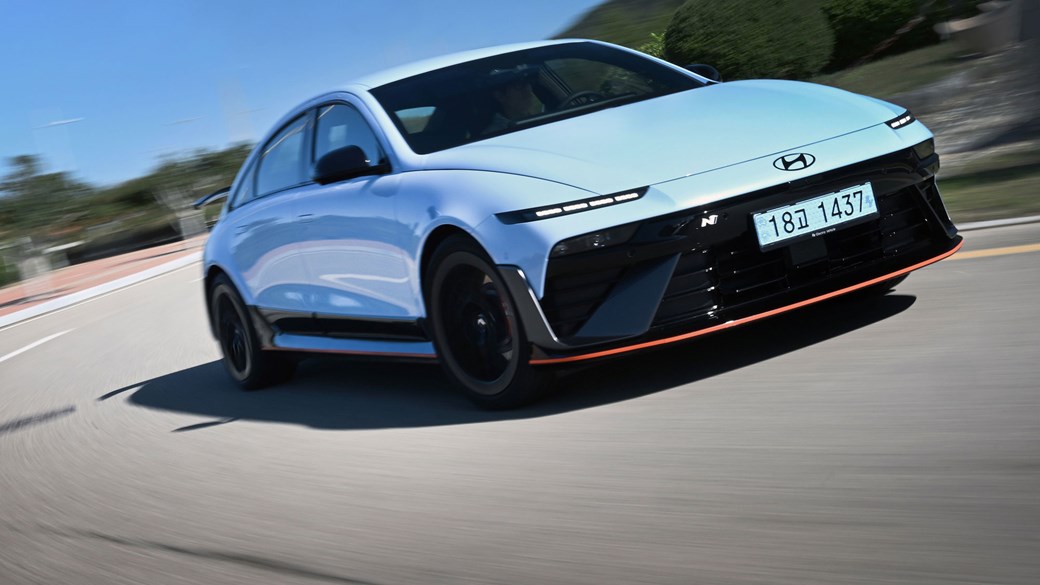
This car demonstrates that electric performance is about more than just instant torque; it’s about thermal management and repeatable performance. The Ioniq 6 N can handle repeated track laps without power derating, a feat that many high-priced electric sports cars still struggle to achieve.
Essential EV Buying FAQ
Q: What is the real-world impact of the "Neue Klasse" technology on daily charging?
A: The Neue Klasse's 800V system and Gen6 battery cells allow for significantly higher sustained charging curves. While older EVs might peak at 150kW and quickly drop, Neue Klasse vehicles can maintain high speeds for much longer. In practical terms, a 10-minute stop at a high-power charger can now add up to 186 miles of range, making long-distance travel nearly identical to the time taken for a petrol station stop and a coffee.
Q: Why does WLTP range often differ so much from "Real World" range?
A: The WLTP (Worldwide Harmonised Light Vehicle Test Procedure) is conducted in a laboratory under controlled temperatures (23°C) with minimal auxiliary loads like air conditioning. In the real world, factors such as highway speeds (which increase aerodynamic drag), cold weather (which affects battery chemistry), and cabin heating can reduce range by 20-30%. For 2026, many EVs now include heat pumps as standard to mitigate these losses.
Q: Is it still worth buying a Tesla Model 3 with so many new "Neue Klasse" rivals?
As we move deeper into 2026, the choice of an electric vehicle has become a nuanced decision based on lifestyle architecture rather than just range requirements. Whether it is the retro-cool efficiency of the Renault 5, the estate-car pragmatism of the ID.7 Tourer, or the disruptive performance of the Ioniq 6 N, the market has finally delivered on the promise of electrification: better cars, better technology, and a cleaner future for all road users.
Posting Komentar untuk "Electrification Redefined: The Definitive Guide to the Best Electric Vehicles of 2026"